

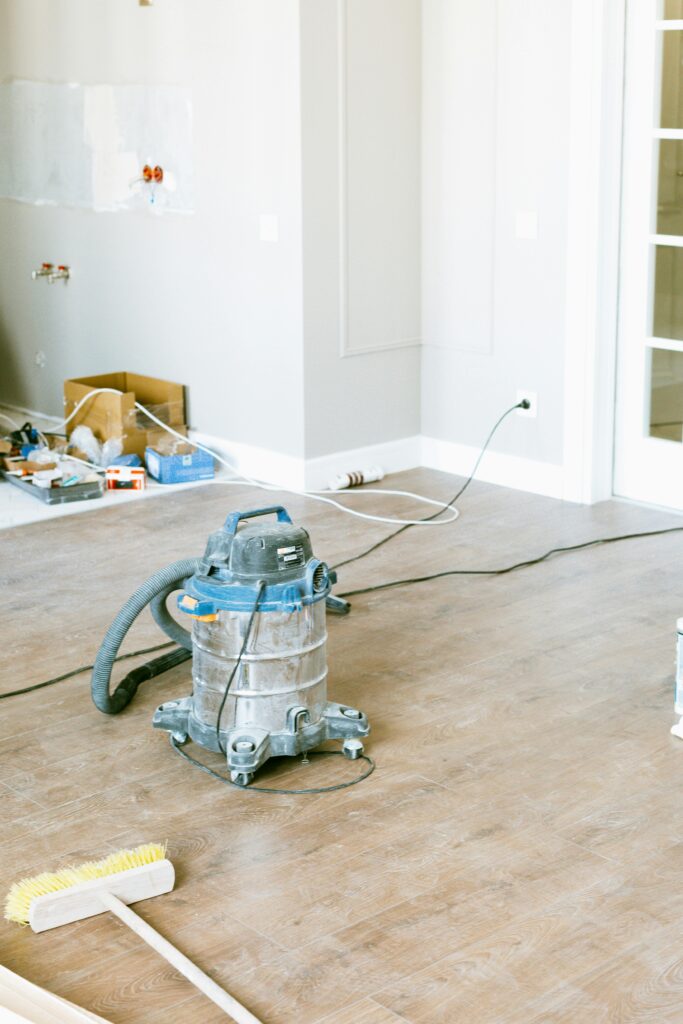
After the last nail is hammered and the final coat of paint dries, most homeowners in Clarence and Plantagenet breathe a sigh of relief. The renovation or construction is finally complete — but before you can truly enjoy your new space, one crucial step remains: post-construction cleaning.
Even the most careful contractors leave behind dust, debris, and residue that regular cleaning can’t handle. This stage isn’t just about appearances; it’s about safety, comfort, and protecting your investment. Let’s look at why post-construction cleaning matters, what it involves, and how to make your new space spotless and move-in ready.
Why Post-Construction Cleaning Is Essential
Construction dust isn’t like ordinary dust. It’s fine, persistent, and can linger in air vents, walls, and flooring for weeks if not properly removed. Besides being unsightly, it can cause allergies, respiratory irritation, and long-term damage to surfaces.
In growing communities like Clarence-Rockland and Plantagenet, where new homes and renovations are common, proper post-construction cleaning ensures your home transitions smoothly from “job site” to “living space.”
Here’s why it’s worth prioritizing:
- Healthier air quality: Removes dust, fiberglass, and microscopic debris that can circulate indoors.
- Protects finishes: Prevents scratches and stains on newly installed flooring, tiles, and appliances.
- Enhances appearance: Brings out the shine of your new space, making it ready for move-in or staging.
- Saves time and effort: Professionals have the right tools to handle fine dust and residue without damaging surfaces.
Three Phases of Post-Construction Cleaning
A proper post-construction cleaning follows a phased approach to ensure no detail is missed:
1. Rough Clean
This is the first stage, done after the bulk of construction debris is removed. It includes:
- Removing leftover materials such as nails, sawdust, and packaging.
- Wiping walls and baseboards to remove thick dust.
- Cleaning window frames, ledges, and sliding tracks.
- Vacuuming and sweeping all floors to prepare for final finishes.
At this stage, the space starts to look less like a construction site and more like a home.
2. Detailed Clean
Once surfaces and installations are complete, the detailed clean focuses on deep cleaning every corner, including:
- Washing walls and ceilings to remove dust film.
- Scrubbing floors, tiles, and grout.
- Cleaning inside and outside of cabinets and closets.
- Sanitizing bathrooms, kitchens, and utility areas.
- Cleaning light fixtures, vents, and fans.
- Removing stickers, paint splatters, and adhesive residue.
The detailed clean transforms the home from functional to livable — perfect for walkthroughs or photography.
3. Final Touch-Up
A few days after the detailed clean, dust may settle again. The final touch-up ensures the property looks flawless for handover or move-in. It includes:
- Polishing mirrors, faucets, and glass surfaces.
- Final vacuuming and mopping.
- Double-checking corners, baseboards, and light switches.
- Ensuring all rooms smell fresh and feel ready.
Areas That Need Special Attention
Post-construction dust hides everywhere, even in places you wouldn’t expect. Here’s where homeowners in Clarence and Plantagenet should focus:
- Air vents and filters: Construction dust easily clogs HVAC systems. Always replace or clean filters.
- Cabinet interiors: Sawdust and drywall dust settle inside drawers and shelves.
- Windows and glass: Paint splatter, caulking, or stickers can leave marks.
- Floors: Fine debris can scratch new flooring if not vacuumed carefully.
- Light fixtures and outlets: Dust collects behind switch plates and covers.
Professionals use HEPA-filtered vacuums and microfiber tools that trap, not spread, fine particles — essential for a proper clean.
Why Local Expertise Matters
Homes in Clarence and Plantagenet often have different layouts and finishes than those in downtown Ottawa. Larger lots, custom builds, and rural dust require a tailored approach.
- In Clarence, post-construction cleaning often involves larger basements, garages, and exterior spaces where dust travels easily.
- In Plantagenet, many new homes are built on lots surrounded by gravel or soil, making entryway and floor cleaning a priority.
A cleaning team experienced with these local conditions knows how to address each challenge efficiently.
How to Prepare for Post-Construction Cleaning
Before your cleaners arrive, you can help streamline the process:
- Ensure all construction work is fully complete. No trades should be working during cleaning.
- Remove large debris or leftover materials. This saves time and protects new finishes.
- Confirm water and electricity are available. Professionals need both to operate equipment safely.
- Open windows if possible. Ventilation helps remove lingering construction odors.
DIY or Professional Cleaning?
While small renovation projects can be handled with a DIY clean, larger or full-home construction sites require professional expertise. Fine dust can hide in unseen spaces, and improper cleaning may cause surface damage.
Professionals bring:
- Industrial-grade HEPA vacuums and air purifiers.
- Eco-friendly cleaning products safe for new materials.
- Specialized tools for removing construction adhesives or paint residue.
- Trained staff who understand how to clean around new installations safely.
Hiring experts saves hours of hard labor and ensures the job is done right the first time.
Final Thoughts
Post-construction cleaning is the bridge between the worksite and your finished home. In communities like Clarence and Plantagenet, where new builds and remodels are booming, skipping this step can leave your new space dusty, dull, and uncomfortable.
Taking the time — or hiring professionals — to perform a thorough clean guarantees that your newly built or renovated property shines the way it was meant to. After all, the hard work of construction deserves a spotless finish.