

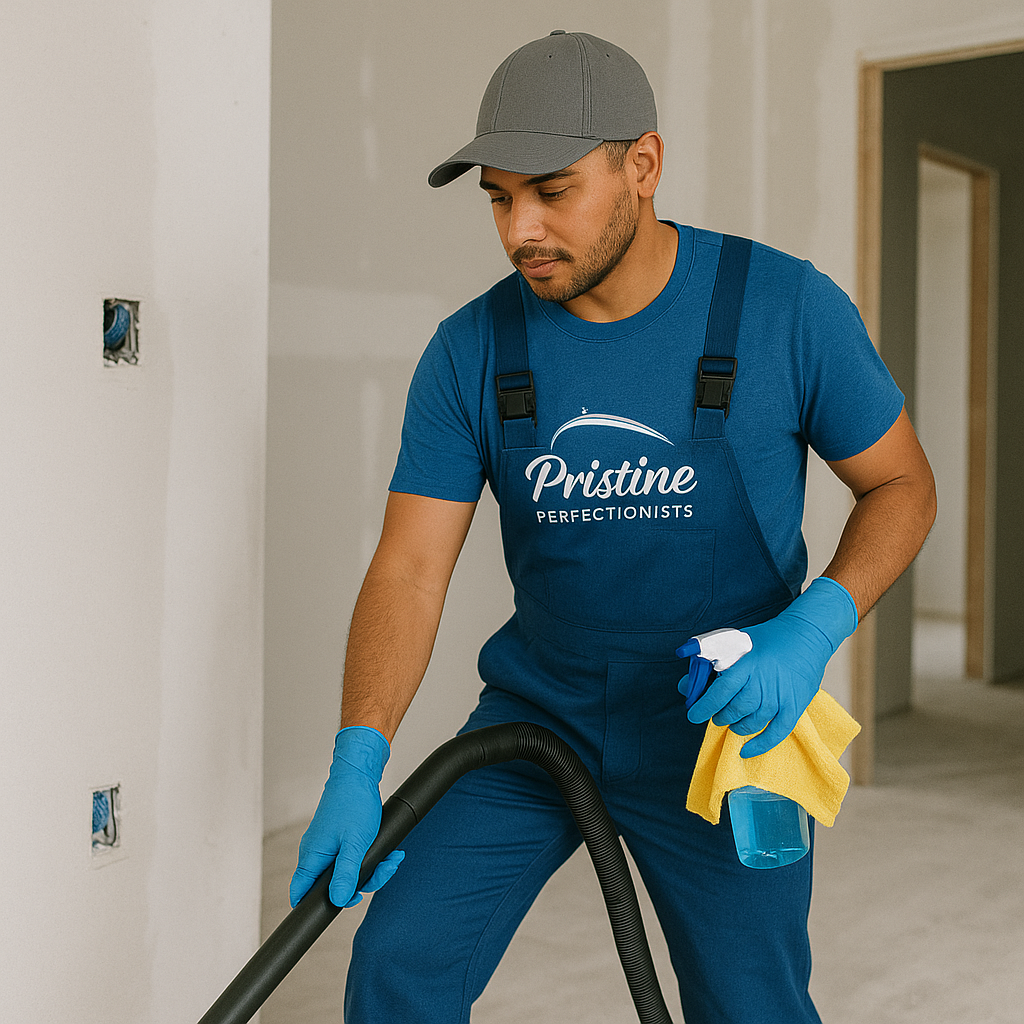
Whether you live in Clarence, Ottawa, or anywhere in between, seasonal allergies, dust sensitivities, and indoor pollutants can make daily life uncomfortable. Sneezing, watery eyes, coughing, congestion, and fatigue become more frequent when allergens settle inside your home — and with long winters and transitional weather, allergies can flare up in every season.
Allergy-proofing your home isn’t just about cleanliness — it’s about transforming your living space into a place where you can breathe freely, sleep better, and enjoy the comfort of clean, healthy indoor air. This comprehensive guide walks you through every room and every strategy to help you reduce allergens and protect your home from triggers that affect your health and well-being.
1. Understanding Where Allergens Hide in Your Home
You can’t allergy-proof your home until you understand where allergens come from. In Clarence and Ottawa, the most common indoor triggers include:
Common Indoor Allergens
- Dust mites
- Pollen tracked in from outside
- Pet dander and hair
- Mold spores
- Cleaning chemical residues
- Smoke from fireplaces
- Fabrics that trap dust
- Poor ventilation during winter
These allergens gather on surfaces, float in the air, cling to textiles, and settle in corners. Over time, they build up and make symptoms worse.
Allergy-proofing means controlling and removing these triggers before they affect your health.
2. Start with Air Quality — The Foundation of an Allergy-Proof Home
Clean air is the most important part of managing allergies. Since Clarence and Ottawa experience long heating seasons, indoor air can become dry, dusty, and stagnant quickly.
Improve Your Home’s Air Quality by:
a. Using High-Quality Air Filters
Choose HVAC filters rated MERV 11 or higher. These trap:
- Dust
- Pollen
- Mold spores
- Pet dander
Replace filters every 30–45 days in winter and every 45–60 days in summer.
b. Using an Air Purifier
Place air purifiers with HEPA filters in:
- Bedrooms
- Living rooms
- Pet-heavy areas
- Basements
They capture airborne allergens before you breathe them in.
c. Controlling Humidity Levels
Allergens thrive in improper humidity.
- Keep humidity between 30% and 45%.
- Use humidifiers in winter, dehumidifiers in summer.
- Too much moisture = mold.
- Too little moisture = dry air that lifts dust.
d. Ventilate When Possible
Even in winter, a few minutes of fresh air helps remove stale, allergen-filled air.
3. Bedroom Allergy-Proofing — Where It Matters Most
You spend almost a third of your life sleeping, so your bedroom should be the cleanest, healthiest room in your home.
How to Allergy-Proof Your Bedroom:
a. Wash Bedding Weekly
Use hot water to kill dust mites on:
- Sheets
- Pillowcases
- Blankets
b. Vacuum Mattresses Monthly
Use a vacuum with a HEPA filter. Dust mites love mattresses.
c. Use Hypoallergenic Covers
Protect mattresses and pillows with allergy-proof covers to block mites and debris.
d. Remove Clutter
The fewer items in your bedroom, the less dust settles.
e. Clean Curtains or Switch to Blinds
Fabric curtains trap dust. Blinds are easier to wipe clean regularly.
f. Keep Pets Out of the Bedroom
Pet dander is a top trigger for allergies — especially at night.
A clean, dust-free bedroom improves sleep significantly.
4. Living Room & Family Room: Heavy Traffic, Heavy Allergens
Family rooms are used daily, making them hotspots for dust, pollen, and pet hair.
Key Allergy-Proofing Steps:
a. Vacuum Upholstery Regularly
Sofas, chairs, and cushions trap allergens deeply.
b. Steam Clean Carpets Seasonally
Carpets hold:
- Pollen
- Pet dander
- Dust
- Food crumbs
- Mold spores
Steam cleaning sanitizes and refreshes fibers.
c. Dust From Top to Bottom
Start with:
- Ceiling fans
- Shelves
- Light fixtures
- Décor
Then dust tables and furniture.
d. Replace Air-Trapping Décor
Swap:
- Fabric drapes → blinds
- Heavy rugs → low-pile rugs
- Cloth décor → washable options
e. Use Washable Throws and Pillow Covers
Wash weekly during peak allergy seasons.
Consistent cleaning in these rooms makes a major difference — especially for families with pets.
5. Kitchen Allergy-Proofing — Where Moisture and Allergens Mix
The kitchen accumulates grease, dust, and moisture more than most rooms. These factors worsen allergies.
Essential Kitchen Strategies:
a. Clean Range Hoods & Filters
Grease traps dust and spreads it around.
b. Wipe Cabinet Tops & Inside Drawers
Dust, crumbs, and food particles attract mold and pests.
c. Keep Sinks and Drains Clean
Use natural cleaners to avoid chemical irritation.
d. Wash Kitchen Towels Frequently
Kitchen towels are full of allergens by day two.
e. Empty Garbage Often
Odors, bacteria, and mold spores develop quickly.
A clean kitchen reduces airborne particles and allergens significantly.
6. Bathroom Allergy-Proofing — Stop Mold Before It Starts
Bathrooms are moisture-heavy spaces, making them hotspots for mold and mildew.
Bathroom Cleaning Essentials:
a. Scrub Tiles and Grout
Mold grows easily in grout lines.
b. Clean Shower Curtains and Liners
Fabric curtains trap moisture and spores.
c. Keep Fans Running
Use exhaust fans during and after showers to reduce humidity.
d. Wash Bath Mats Often
Moisture and dust cling to mats more than people realize.
e. Check Under Sinks
Leaks grow mold fast — especially in closed cabinets.
Keeping moisture under control is key to controlling allergies.
7. Flooring Choices That Support Better Air Quality
Different types of flooring trap allergens differently. Clarence and Ottawa homes often have a mix of hardwood, tile, and carpet.
Best Flooring for Allergy-Sensitive Homes:
- Hardwood
- Tile
- Vinyl plank
- Laminate
These surfaces don’t trap dust like carpets.
If You Have Carpet:
- Vacuum 2–3 times per week
- Use a HEPA-filtered vacuum
- Steam clean seasonally
- Use mats at every entrance
Reducing dust in flooring improves air quality instantly.
8. Pet Owners: Extra Steps for Allergy Control
Pets are family — but they shed dander, hair, and outdoor allergens.
Allergy-Proofing With Pets:
a. Brush Pets Regularly
This reduces loose hair drifting through your home.
b. Bathe Pets Often
Bathing removes pollen, dust, dirt, and dander.
c. Clean Pet Beds Weekly
Pet beds collect enormous amounts of allergens.
d. Use Pet-Specific Vacuums
These have stronger suction for fur and dander.
e. Create Pet-Free Zones
Especially bedrooms or allergy-heavy areas.
With proper cleaning, pets and allergy control can coexist easily.
9. Decluttering — One of the Most Powerful Allergy Tools
More clutter means more surfaces for dust to settle on.
Decluttering Tips:
- Keep counters clear
- Store items in sealed containers
- Limit unnecessary décor
- Reduce piles of books and papers
- Clean shelving regularly
A clutter-free home = fewer places for allergens to hide.
10. The Importance of Entryway Cleaning
Entryways bring most allergens into your home.
Entryway Allergy-Proofing Tips:
- Use heavy-duty mats indoors and outdoors
- Shake mats outside weekly
- Create a “shoes-off” policy
- Vacuum this area daily during peak seasons
- Wipe pet paws after outdoor walks
Stop allergens at the door to reduce what enters your living spaces.
11. Seasonal Allergy-Proofing for Clarence and Ottawa
Both cities experience distinct seasons — each brings different allergy triggers.
Spring
- Pollen peaks
- Clean window tracks
- Wash curtains
Summer
- Humidity rises
- Combat mold and dust mites
- Keep HVAC running efficiently
Fall
- Ragweed spikes
- Vacuum daily
- Clean outdoor gear
Winter
- Dry indoor air lifts dust
- Use humidifiers
- Deep clean fabrics
Adapting your cleaning routine each season helps control symptoms year-round.
12. Create a Weekly Allergy-Control Routine
Here’s a simple weekly plan:
Monday:
Vacuum main areas with a HEPA vacuum.
Tuesday:
Dust high surfaces and wipe window sills.
Wednesday:
Wash bedding, throws, and pillowcases.
Thursday:
Clean bathroom fans, tiles, and shower.
Friday:
Declutter living spaces and disinfect high-touch areas.
Saturday:
Deep clean entryway and shake out rugs.
Sunday:
Relax — your home is fully allergy-proofed.
Consistency is the most important part of allergy management.
Final Thoughts
Allergy-proofing your home in Clarence and Ottawa is one of the most effective ways to improve your health, comfort, and overall quality of life. When you reduce dust, control moisture, clean fabrics, maintain air systems, and follow a consistent cleaning routine, you create an environment where you can breathe freely and live comfortably year-round.
A clean home is more than a tidy space — it’s a protective shield against allergens, irritants, and triggers that affect your daily well-being. With the right strategies, every room in your home can become a healthier, fresher, and more allergy-friendly sanctuary.