

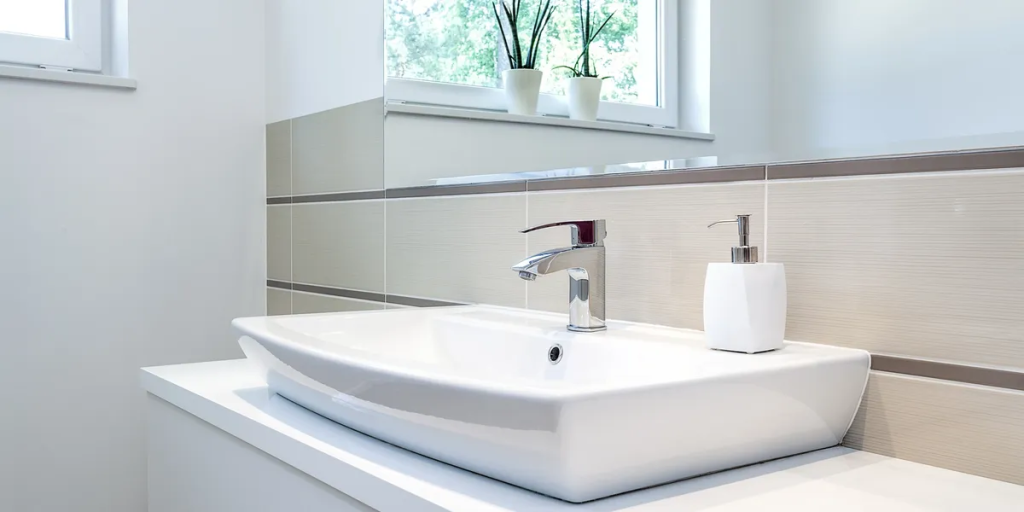
A home can look clean and still not truly be clean.
That is something many homeowners in Plantagenet discover the moment they try to do a deep clean. You can vacuum the floors, wipe the counters, scrub the bathroom, and put everything away… and the house still feels dusty, heavy, or slightly stale.
That feeling usually comes from one simple truth:
Most regular cleaning routines focus on what is visible.
But the areas that actually make a home feel deeply clean are often hidden.
Deep cleaning is not about cleaning harder. It is about cleaning smarter. It is about knowing where dirt, dust, grease, and buildup quietly collect over time, and tackling those areas before they start affecting the entire home.
In Plantagenet, where many homes have larger layouts, basements, storage areas, and more outdoor exposure, deep cleaning makes an even bigger difference. Dust and debris can travel inside more easily, and once it settles into overlooked corners, it becomes harder to control.
This blog will break down the most overlooked areas in every home, why they matter, and exactly how to deep clean them properly. Whether you use this as a personal checklist or as a guide for professional deep cleaning, these tips will help your home feel fresher, healthier, and noticeably cleaner.
Why Plantagenet Homes Often Need Deeper Cleaning Than Expected
Plantagenet is a beautiful place to live. It offers space, quiet, and a more relaxed lifestyle compared to busier city neighborhoods. But those same benefits can also lead to unique cleaning challenges.
Many Plantagenet homes have:
- more outdoor traffic (yards, gardens, driveways, outdoor play)
- more storage space (basements, utility rooms, closets)
- more floor space (which collects dust faster)
- more seasonal dirt tracked in (especially spring and winter)
- more pet ownership (common in quieter rural areas)
That means deep cleaning is not just a seasonal tradition.
It is an essential reset that keeps the home from feeling permanently dusty or difficult to maintain.
The Biggest Deep Cleaning Myth: “I’ll Just Clean What I See”
Most homeowners clean the areas that stand out:
- counters
- floors
- toilets
- sinks
- mirrors
Those are important, but they are not what makes a home feel deeply clean.
Deep cleaning is about removing the buildup that affects:
- indoor air quality
- odors
- surface stickiness
- dust circulation
- how fast your home gets dirty again
The overlooked areas in this blog are the ones that quietly cause your home to feel like it never stays clean.
The Most Overlooked Areas in Every Home (Plantagenet Deep Cleaning Checklist)
Let’s go through the most missed areas, why they matter, and how to clean them properly.
1. Baseboards and Trim (The Dust Collector That Changes Everything)
Baseboards are one of the most ignored areas in most homes.
And yet, they are one of the biggest contributors to that “dusty home” feeling.
Why baseboards matter
Dust collects along edges because:
- airflow pushes dust toward walls
- vacuuming rarely reaches tight edges
- winter heating increases dust movement
- moisture in some areas makes dust stick
What to clean
- baseboards in every room
- door trim
- window trim
- stair trim
- corners near furniture
How to deep clean them
- vacuum along the baseboards first
- wipe with a microfiber cloth
- use a damp cloth for stuck-on grime
- dry after wiping to prevent streaks
This single step can make a Plantagenet home feel dramatically cleaner.
2. Window Tracks and Sills (The Hidden Dirt Trap)
Most people clean the glass but ignore the tracks.
Window tracks collect:
- dust
- dead insects
- gritty debris
- moisture residue
Why it matters
Dirty window tracks can:
- create musty smells
- reduce the brightness of a room
- make the whole home feel neglected
How to deep clean them
- vacuum tracks first
- wipe with a damp cloth
- use a small brush for corners
- dry thoroughly
In Plantagenet, where outdoor dust and seasonal debris can be higher, window tracks are especially important.
3. The Tops of Doors and Door Frames
This is one of the most overlooked deep cleaning tasks.
Door tops collect dust because:
- they are high up
- no one looks there
- dust settles and stays undisturbed
Why it matters
That dust does not stay there forever. It eventually falls down and spreads.
How to clean it
- use a microfiber cloth
- wipe across the top edge
- wipe the door frame as well
Once you start cleaning door tops, you’ll realize how much dust builds up there.
4. Light Switches and Door Handles (The Germ Zones)
Deep cleaning is not just about dirt.
It is also about hygiene.
Switches and handles collect:
- skin oils
- bacteria
- grime buildup
Commonly missed areas
- light switches
- door handles
- cabinet handles
- drawer pulls
- stair railings
Why it matters
Even if the home looks clean, dirty handles make it feel less hygienic.
5. Behind and Under Furniture (The Dust and Hair Graveyard)
Most homeowners vacuum what they can reach.
But deep cleaning requires moving things.
Areas that matter most
- under couches
- behind couches
- under beds
- under dining tables
- behind TV stands
- under dressers
Why it matters
These hidden zones collect:
- dust
- hair
- crumbs
- allergens
- stale odors
In Plantagenet homes, where rooms are often larger and furniture may stay in the same place for years, these areas can build up heavily.
6. Ceiling Fan Blades and Light Fixtures
Ceiling fans are major dust spreaders.
When you turn a dusty fan on, it pushes dust into the air and around the room.
What to clean
- ceiling fan blades
- overhead light fixtures
- hanging lights over dining tables
- bathroom light covers
Why it matters
This dust directly affects indoor air quality, especially in winter when windows stay closed.
7. Vents and Return Air Grilles
This is one of the biggest overlooked areas in every home.
Vents and grilles collect dust and circulate air.
What happens when they are dirty
- dust gets redistributed through the home
- rooms feel stale
- allergies worsen
- surfaces get dusty faster
What to clean
- vent covers
- return air grilles
- bathroom fan covers
- floor vents near entryways
Even a basic wipe of vent covers can improve how fresh your home feels.
8. The Top of the Fridge (And the Space Behind It)
This is one of the most common deep cleaning surprises.
The top of the fridge often has:
- dust
- grease
- grime buildup
Especially in winter when cooking increases.
Why it matters
Grease mixed with dust creates a sticky film that can cause kitchen odors and stale air.
How to clean it
- wipe the top thoroughly
- vacuum behind the fridge if possible
- wipe the wall area behind it
9. Range Hood Filters (The Kitchen Grease Trap)
Range hood filters are designed to catch grease.
But when they are not cleaned, grease spreads through the kitchen and settles everywhere.
Signs the filter needs cleaning
- kitchen smells oily after cooking
- cabinets feel sticky
- grease builds up faster
- the hood fan seems weaker
Cleaning the filter is one of the best deep cleaning tasks for any Plantagenet kitchen.
10. Cabinet Tops and Upper Shelving
Many kitchens have upper cabinets that stop short of the ceiling.
That gap collects dust and grease.
Why it matters
Dust and grease buildup can:
- create odors
- make the kitchen feel dull
- attract more grime over time
If you want your kitchen to feel deeply clean, this area matters.
11. Bathroom Fan Covers and Grout Corners
Bathrooms feel clean until you look at the details.
Overlooked bathroom areas
- fan cover
- grout lines
- shower corners
- behind the toilet
- toilet base
- sink overflow hole
Why it matters
Bathrooms hold moisture, which makes dirt stick and creates mildew risk.
Deep cleaning these areas helps bathrooms stay fresh longer.
12. The Space Around the Toilet Base
This is one of the biggest odor sources in bathrooms.
Even clean homes can have buildup around:
- toilet base edges
- bolts
- grout lines
- floor corners
Cleaning this area properly often removes lingering bathroom smells completely.
13. Laundry Room Corners and Behind Machines
Laundry rooms collect lint, dust, and debris.
Overlooked areas
- behind washer and dryer
- floor corners
- baseboards
- shelves
- machine buttons
Lint becomes airborne easily and contributes to dust throughout the home.
14. Closets (Especially Closet Floors)
Closets are rarely cleaned properly.
But closet floors collect:
- dust
- hair
- lint
- debris
And if closets are dusty, the dust transfers onto clothing and linens.
Deep cleaning closet checklist
- vacuum closet floors
- wipe shelves
- wipe closet rods
- wipe doors and handles
15. Stair Edges and Corners
Stairs collect dirt faster than most areas because:
- they get constant traffic
- edges trap debris
- vacuuming often misses corners
Deep cleaning stairs improves the whole home’s cleanliness immediately.
The Deep Cleaning Routine That Works Best for Plantagenet Homes
Deep cleaning feels overwhelming when you try to do everything at once.
A better approach is:
- room-by-room
- top-to-bottom
- one zone at a time
Here is the best order.
Step 1: Declutter First
Deep cleaning is much easier when surfaces are clear.
Focus on:
- counters
- floors
- bathroom surfaces
- kitchen tables
This prevents wasted time cleaning around clutter.
Step 2: Dust High to Low
Always start with:
- ceiling corners
- vents
- fans
- light fixtures
Then:
- shelves
- tables
- baseboards
Dust falls, so top-to-bottom prevents re-cleaning.
Step 3: Vacuum Before Wet Cleaning
Vacuuming removes:
- loose dust
- hair
- debris
Mopping without vacuuming often creates muddy residue.
Step 4: Wet Clean and Sanitize
Once dust and debris are removed:
- mop floors
- scrub bathrooms
- sanitize high-touch surfaces
- deep clean kitchen grease zones
Step 5: Finish with Details
The last step is:
- baseboards
- handles
- switches
- mirrors
- glass
This is what gives the home that “professionally cleaned” feel.
Why Deep Cleaning Makes Regular Cleaning Easier
Many Plantagenet homeowners feel like they are always cleaning.
But the reason cleaning feels constant is because of buildup.
Deep cleaning removes buildup so regular cleaning becomes:
- faster
- easier
- less stressful
- more effective
A home that is deep cleaned regularly stays cleaner longer.
How Often Should You Deep Clean in Plantagenet?
A good deep cleaning schedule for most homes is:
Every 3 months
- full deep clean
- baseboards
- vents
- bathrooms
- kitchen grease zones
Every 6 months
- full detailed deep clean
- behind furniture
- cabinet tops
- window tracks
- full vent cover wipe down
Seasonally
Many Plantagenet homeowners find that:
- winter deep cleaning
- spring reset cleaning
are the most important.
Final Thoughts: The Cleanest Homes Are the Ones That Clean the Hidden Areas
Most people do not need to clean more.
They need to clean differently.
The most overlooked areas in a home are the ones that:
- affect air quality
- cause dust to return quickly
- hold odors
- create the “never fully clean” feeling
For Plantagenet homeowners, deep cleaning these hidden zones makes the biggest difference in how the home feels.
When you focus on baseboards, vents, window tracks, hidden dust zones, and kitchen grease buildup, your home becomes easier to maintain, more comfortable to live in, and noticeably fresher.
Because the best deep clean is not the one that makes your home look good for a day.
It is the one that makes your home feel clean for weeks.