

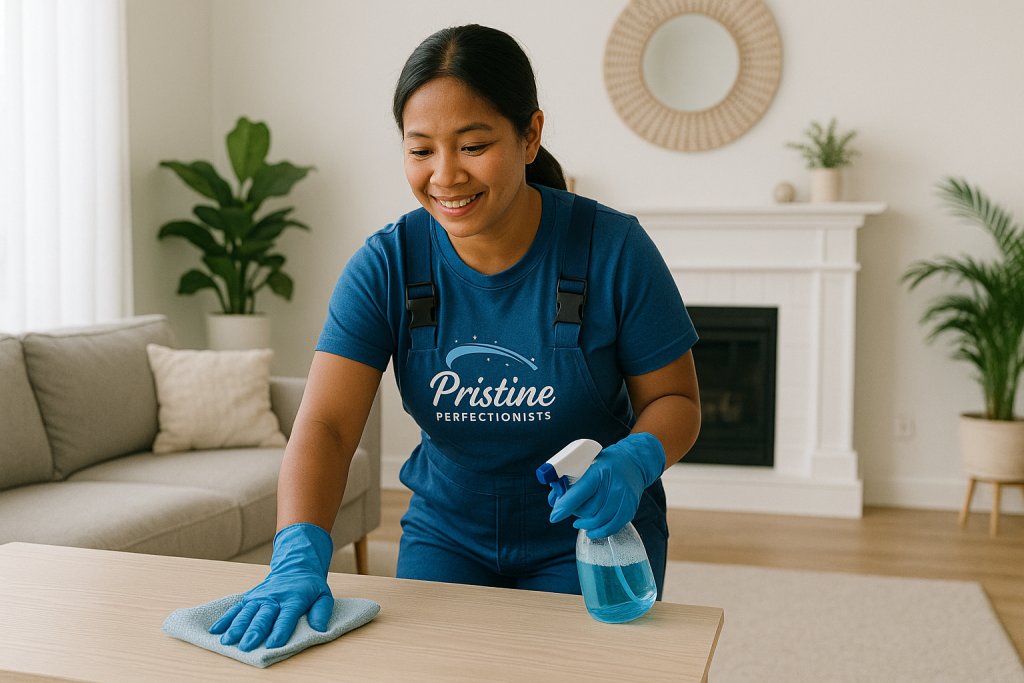
Many Ottawa homeowners clean regularly. Floors are vacuumed, counters are wiped, bathrooms look presentable, and clutter is mostly under control. Yet despite these efforts, homes can still feel dusty, stale, or harder to maintain than they should be. Allergies linger, odors return quickly, and dirt seems to reappear almost overnight.
The issue isn’t laziness or lack of effort. It’s that routine cleaning only covers what’s visible. Over time, dust, grime, moisture, and debris build up in areas that are easy to overlook but heavily impact cleanliness, air quality, and comfort.
This guide breaks down the most common areas Ottawa homeowners miss during routine cleaning and explains exactly how to fix them. Addressing these overlooked spots transforms cleaning from a never-ending cycle into something far more effective and sustainable.
1. Baseboards and Trim: Silent Dust Collectors
Baseboards run through every room, yet they’re rarely cleaned regularly. Over time, they collect dust, pet hair, and fine debris that circulates back into the air whenever someone walks by.
Why They Matter
- Dust clings to baseboards due to static and airflow
- They line high-traffic paths where debris settles
- Dirty baseboards make rooms feel dull even when floors are clean
How to Fix It
- Vacuum baseboards with a brush attachment
- Wipe with a damp microfiber cloth
- Focus on entryways, hallways, and staircases
- Clean every 2–4 weeks for best results
Clean baseboards instantly elevate the look and feel of a room.
2. Air Vents and Cold Air Returns
Ottawa’s long heating season means furnaces run for months, constantly pulling air through vents and redistributing whatever dust they collect.
Why They’re Missed
- They’re not at eye level
- Homeowners assume filters handle everything
- Dirt builds slowly and invisibly
Why They Matter
- Dust in vents circulates throughout the home
- Poor air quality worsens allergies and fatigue
- Clean vents improve airflow efficiency
How to Fix It
- Vacuum vent covers monthly
- Wipe vents with a damp cloth
- Replace furnace filters every 30–45 days in winter
- Include vent cleaning in seasonal deep cleans
Cleaner vents mean cleaner air in every room.
3. The Tops of Cabinets, Doors, and Tall Furniture
Anything above eye level is often forgotten. Unfortunately, dust doesn’t forget these areas.
Commonly Missed Spots
- Tops of kitchen cabinets
- Door frames
- Tall wardrobes
- Shelving near ceilings
Why They Matter
- Dust falls downward over time
- Kitchen grease sticks to dust, creating grime
- High-level dust worsens air quality
How to Fix It
- Vacuum first to remove thick buildup
- Wipe with a microfiber cloth and gentle cleaner
- Clean seasonally, more often in kitchens
Once cleaned, these areas dramatically reduce overall dust levels.
4. Under Furniture and Along Edges
Vacuuming the open floor isn’t enough. Dirt migrates to edges and under furniture where it sits undisturbed.
Why It’s Overlooked
- Furniture is heavy
- Out of sight means out of mind
- Vacuums don’t always reach
Why It Matters
- Dust builds up and re-enters the air
- Pet hair collects heavily here
- Odors develop unnoticed
How to Fix It
- Move furniture during monthly or seasonal cleaning
- Use vacuum attachments to reach under beds and sofas
- Mop edges after vacuuming
Cleaning edges keeps floors cleaner longer.
5. Window Tracks and Frames
Windows may look clean, but their tracks often hide dirt, dead insects, pollen, and moisture residue.
Why They Matter
- Moisture leads to mildew
- Dirt blows back into the room when windows open
- Dust accumulates year-round
How to Fix It
- Vacuum loose debris
- Scrub tracks with a small brush
- Wipe dry to prevent moisture buildup
- Clean at least twice a year
Clean window tracks improve air freshness and window function.
6. Light Switches, Door Handles, and High-Touch Surfaces
These are some of the most frequently touched surfaces in the home — yet they’re often skipped during routine cleaning.
Why They Matter
- Harbor bacteria and grime
- Spread illness during cold seasons
- Accumulate fingerprints quickly
How to Fix It
- Wipe weekly with a gentle disinfectant
- Focus on kitchens, bathrooms, and entryways
- Include remote controls and railings
This small step greatly improves hygiene.
7. Fabric Surfaces That Trap Dust
Ottawa homes rely heavily on fabrics for comfort — especially in winter.
Dust-Trapping Fabrics Include
- Carpets and rugs
- Sofas and chairs
- Curtains
- Throw blankets and pillows
Why They Matter
- Fabrics release dust when disturbed
- Odors linger in fibers
- Allergens hide deep inside
How to Fix It
- Vacuum upholstery weekly
- Wash blankets and pillow covers regularly
- Steam-clean carpets seasonally
- Shake out rugs outdoors when possible
Cleaner fabrics dramatically improve indoor air quality.
8. Inside Appliances and Cabinets
Surface cleaning doesn’t address what’s hiding inside.
Commonly Missed Areas
- Inside microwave doors
- Fridge shelves and handles
- Oven knobs
- Under-sink cabinets
Why They Matter
- Food residue attracts bacteria
- Odors develop over time
- Moisture causes hidden buildup
How to Fix It
- Clean appliance interiors monthly
- Wipe cabinet interiors seasonally
- Check under sinks for moisture or residue
These areas often cause smells homeowners can’t identify.
9. Bathroom Exhaust Fans
Bathroom fans pull moisture and dust into their covers, where it builds up quietly.
Why They’re Missed
- Installed overhead
- Assumed to be self-cleaning
Why They Matter
- Reduced fan efficiency
- Moist air lingers longer
- Mold risk increases
How to Fix It
- Remove covers and wash gently
- Vacuum fan blades carefully
- Clean every few months
This improves both air quality and bathroom freshness.
10. Entryway Walls, Doors, and Corners
Entryways take the hardest hit in Ottawa homes, especially during winter.
Why They’re Missed
- Focus stays on floors
- Wall grime blends in slowly
Why They Matter
- Salt spray marks walls
- Moisture causes staining
- Dirt spreads inward
How to Fix It
- Wipe lower wall sections regularly
- Clean door frames and handles
- Pay attention to corners and thresholds
A clean entryway controls dirt throughout the home.
11. The Inside of Closets and Storage Areas
Closets collect dust even when closed.
Why They Matter
- Dust transfers to clean clothing
- Storage odors develop
- Seasonal items sit untouched for months
How to Fix It
- Vacuum closet floors
- Wipe shelves before seasonal changes
- Wash stored fabrics annually
Clean storage areas keep the rest of the home fresher.
12. Basement Corners and Utility Areas
Basements influence air quality for the entire home.
Why They’re Missed
- Used mainly for storage
- Less visible day-to-day
Why They Matter
- Dust and odors rise upward
- Moisture builds unnoticed
How to Fix It
- Vacuum corners and baseboards
- Clean laundry areas regularly
- Reduce clutter to improve airflow
Basement cleanliness affects every floor above it.
13. Why Routine Cleaning Isn’t Enough
Routine cleaning maintains appearance. It doesn’t remove accumulated buildup.
Routine Cleaning
- Floors
- Counters
- Visible surfaces
What’s Missing
- Hidden dust zones
- Fabric care
- Vent maintenance
- Seasonal adjustments
That’s why homes can feel clean but still struggle with dust and air quality.
14. The Fix: Layered Cleaning
The most effective cleaning strategy combines three layers:
Daily
- Tidy clutter
- Spot-clean messes
Weekly
- Floors
- Bathrooms
- Kitchen surfaces
Seasonal / Deep Cleaning
- Hidden areas
- Fabrics
- Vents
- High surfaces
This approach prevents buildup instead of reacting to it.
15. Signs You’re Missing These Areas
If you notice:
- Dust returning quickly
- Lingering odors
- Increased allergies indoors
- Rooms that never feel fully clean
It’s likely these overlooked areas are the cause.
Final Thoughts
Most Ottawa homeowners clean regularly — but routine cleaning only addresses part of the picture. Dust, grime, moisture, and allergens build up in places that are easy to miss yet deeply affect comfort, air quality, and how clean a home truly feels.
By paying attention to baseboards, vents, high surfaces, fabrics, edges, and hidden zones, you transform cleaning from surface-level maintenance into a system that actually works. The result is a home that stays cleaner longer, feels fresher, and requires less effort over time.
Clean isn’t just what you see. It’s what you remove from the places you don’t notice — until they’re gone.